 0
0


Download game Peasant’s Quest [v4.12] [APK]
IMAGE GAME Peasant’s Quest [v4.12] [APK]
![Peasant’s Quest [v4.12] [APK]](https://i0.wp.com/gamecax.com/wp-content/uploads/2019/11/peasants-quest-scaled.jpg?fit=2560%2C640&quality=95&strip=all&ssl=1)

Details GamePeasant’s Quest [v4.12] [APK]
 Developer: Tinkerer
  Version: 4.12
 Operating system: Windows, Linux, Mac, Android
 Update date: 30/08/2026
 Tags: 2D game, Adventure, Anal Sex, Animated, Best 3DCG Games, Bestiality Games Collection, Big ass, Cheating, combat, Creampie, Fantasy, Female Domination, Group, Incest, Lactation, Male domination, Male Protagonist Adult Games, Masturbation, MILF Adult Games, Monster, Monster girl, Oral Sex Adult Games, Pregnancy Adult Games, Prostitution, Rape, RPG, Transformation, Vaginal Sex Adult Games Categories: Best Adult RPG Games Download, Free Sex Games APK for Android – Best Adult Mobile Games (2026), Free Sex Games for iOS & Mac – Adult Games for iPhone, iPad & macOS, Free Sex Games for Linux – Download Adult Games Ubuntu, Free Sex Games for PC – Download Adult Games for Windows
About Game Peasant’s Quest [v4.12] [APK]
Peasant’s Quest [v4.12] [Tinkerer]
Peasant’s Quest is an open-world medieval fantasy RPG developed by Tinkerer. Instead of following a strictly linear visual-novel structure, the game places the player in the role of a farmer’s son who leaves his ordinary life behind to explore a growing fantasy world, complete quests, gather resources, improve equipment, fight enemies, and build relationships with the characters and creatures he encounters.
One of the most important features of Peasant’s Quest is player freedom. Tinkerer designed the game around nonlinear quests, allowing players to decide which objectives to pursue and when to pursue them rather than forcing every playthrough through one fixed sequence.
The core structure can be summarized as:
Explore → Discover Character or Location → Accept Quest → Gather Resources / Fight / Craft → Complete Objective → Unlock New Story or Area.
Peasant’s Quest uses RPG Maker MV for its 2D gameplay systems while character cutscenes and major artwork are created with DAZ Studio. This combination gives the game a traditional RPG exploration layer while presenting important story moments through more detailed rendered artwork.
Players looking for other desktop releases can also browse more Windows Adult Games available on GameCax.
Peasant’s Quest Review
More RPG Than Traditional Visual Novel
The biggest mistake when describing Peasant’s Quest is treating it as a visual novel with an overworld attached.
Tinkerer has consistently emphasized that gameplay itself should remain enjoyable. Exploration, combat, resources, equipment, quests, crafting, maps, and character progression all contribute to the experience rather than merely existing as barriers between story scenes.
The stronger entity relationship is:
Peasant’s Quest → Open-World RPG → Exploration → Quests → Combat → Resources → Crafting → Character Progression.
A Farmer’s Son Looking for Adventure
The protagonist begins from a deliberately simple position: he is a young man from a rural background who wants to make a name for himself.
That premise gives Tinkerer a flexible foundation for an open-world game. Rather than beginning as an established hero with a fixed destiny, the protagonist gradually becomes involved in larger events by helping people, discovering new locations, fighting enemies, and accepting increasingly complicated quests.
The progression model is therefore:
Ordinary Life → Adventure → Local Quests → New Areas → Stronger Enemies → Larger Conflicts.
Nonlinear Quests Define the Game
Nonlinear quest design is one of Peasant’s Quest’s defining features.
Tinkerer has explicitly stated that players should be able to choose which quests they complete and when they complete them. This gives the game a different rhythm from titles where every player sees exactly the same sequence of events.
Some quests depend on earlier objectives, locations, resources, relationships, or story triggers, but the overall world still allows considerable freedom.
A future walkthrough should therefore organize progression around:
Quest → Prerequisite → Location → Character → Required Item / Action → Completion → Unlock.
Weirdwood Acts as the Starting Point
Weirdwood is one of the most important geographic entities in Peasant’s Quest because many early adventures and routes begin around this region.
From there, the world gradually expands into forests, caves, settlements, temples, towers, and more dangerous territories.
This creates a natural world graph:
Weirdwood → Nearby Locations → Quests → New Routes → Larger Regions.
The World Keeps Expanding
Peasant’s Quest has been developed for many years, and one of the clearest signs of that development is the continual addition of new maps and locations.
Major areas introduced or expanded throughout development include Greyport, the Tower of Dread, the Temple of Qetesh, and more recently the Enchanted Forest.
These locations are not merely visual backgrounds. They contain quests, enemies, resources, merchants, NPCs, and progression requirements.
Greyport Expands the Game Beyond Rural Exploration
Greyport represents an important expansion of the game world because it introduces a larger settlement with additional services, quests, merchants, and activities.
Later updates continued adding content to Greyport, including new quests, a blacksmith, and additional marketplace functionality.
From an entity perspective:
Greyport → NPCs → Shops → Services → Quests → Progression.
The Tower of Dread Is a Major Quest Hub
The Tower of Dread has become one of the game’s most substantial recurring locations.
Tinkerer has repeatedly returned to the area through later updates, adding additional quests, maps, enemies, characters, and story progression.
One older major update centered heavily around the tower and introduced eight new quests, new maps, a Greyport shop, additional crafting options, and more gameplay content.
This demonstrates how Peasant’s Quest develops important locations over time rather than treating every area as disposable after a single quest.
The Temple of Qetesh Connects to the Main Story
The Temple of Qetesh has become another important story entity.
Later releases increasingly connect events at the temple with major ongoing conflicts, characters, quests, and areas such as the Tower of Dread.
The game’s world therefore develops through interconnected quest hubs:
Character → Temple / Tower → Quest → New Map → Story Conflict → Next Quest.
The Enchanted Forest Shows Continued World Expansion
More recent development introduced the Enchanted Forest as another new location connected to the continuing main story.
The addition included multiple new map sections, quests, NPCs, and further progression involving existing storylines.
This is important because it confirms that Peasant’s Quest remains an expanding RPG rather than a game receiving only small cosmetic updates.
Combat Is Part of Normal Progression
Combat is another major difference between Peasant’s Quest and simpler adult visual novels.
The world contains enemies that must be defeated during exploration and quest progression. Over the years Tinkerer has added new enemy types and redesigned some areas so enemies are visible directly on maps rather than appearing only through random encounters.
This makes exploration more readable and gives the player additional control over encounters.
Equipment Changes the Protagonist
Weapons and armor are not purely numerical upgrades.
Tinkerer has also implemented visual changes to the player sprite based on equipped weapons and armor, making character progression visible during exploration.
The gameplay relationship becomes:
Explore → Acquire Equipment → Increase Capability → Visual Change → Access Harder Content.
Resources Support Crafting
Resource gathering is integrated into the game’s progression systems.
Throughout development, Tinkerer has introduced different resources and crafting recipes that support exploration and quest completion.
Items such as torches, food-related materials, potions, equipment, and other crafted objects can become useful or necessary depending on the current quest.
A good walkthrough therefore needs to record not only where quests begin but also which resources should be collected before the player reaches a progression requirement.
Crafting Gives Exploration Additional Value
Crafting ensures that items found throughout the world have practical uses beyond simple inventory collection.
The progression loop can be represented as:
Explore → Gather Resource → Craft Item → Use Item → Complete Quest / Improve Character.
This is one of the strongest reasons Peasant’s Quest should be classified primarily as an RPG rather than simply as a story-driven adult game.
Quest Log Supports a Large Amount of Content
As the game expanded, Tinkerer introduced and improved a quest log to help players track objectives.
This feature became increasingly necessary because the project contains a large number of quests spread across different characters and locations.
For GameCax, this also indicates strong search potential around specific quest names, locations, prerequisites, and progression problems.
Character Relationships Can Affect Storylines
Tinkerer has stated that the attitude and story progression of characters and creatures can depend on how the player treats them.
This adds a relationship layer to the RPG systems:
Player Action → Character Attitude → Relationship State → Future Story Event.
As a result, certain decisions can have consequences beyond the immediate conversation or quest.
The Game Has a Large Recurring Cast
Years of development have produced a substantial recurring cast. Characters such as Erevi, Qetesh, Victoria, Ziva, Alice, Liandra, Shakala, Maghda, and others have received additional quests or story content across multiple updates.
This matters because Peasant’s Quest does not continually abandon older characters when new updates arrive. Important characters can return many versions later as existing storylines are expanded.
The resulting content model is:
Character → Initial Quest → Relationship / Story Development → Later Quest → New Region or Conflict.
Updates Frequently Add Multiple Systems at Once
Peasant’s Quest updates often contain much more than one new story sequence.
A single major release may include new quests, maps, enemies, items, crafting recipes, merchants, NPCs, bug fixes, and additional story progression.
This makes the game particularly suitable for evergreen SEO because the main page can remain stable while the playable world continues growing behind it.
Version Numbers Should Stay Out of Permanent SEO Fields
Peasant’s Quest has gone through a very large number of releases during its long development history.
Tinkerer even previously used the label NYD, meaning Not Yet Done, to emphasize that reaching a particular version number did not mean development was complete.
For GameCax, the permanent entity should therefore remain:
Peasant’s Quest by Tinkerer
while the latest build number belongs only in the download information and changelog.
Peasant’s Quest Is Still Actively Developed
Despite its long development history and the enormous amount of existing content, Peasant’s Quest should not be labeled as completed.
Tinkerer continues releasing new builds containing additional quests and features.
The correct status relationship is:
Large Playable Game → Ongoing Development → New Quests → New Locations → Future Content.
Who Should Play Peasant’s Quest?
Peasant’s Quest is particularly suitable for players who prefer actual RPG systems rather than purely linear storytelling.
Players who enjoy exploration, fantasy settings, nonlinear quests, collecting resources, crafting items, upgrading equipment, discovering new locations, and following long-running character storylines will find much more mechanical depth here than in a conventional visual novel.
Its greatest strength is that the adult-oriented story content is layered onto an RPG framework rather than replacing gameplay entirely.
Strengths
- Large medieval fantasy world built over many years of development.
- Open-world structure with nonlinear quests.
- Strong quest-based progression.
- Multiple major regions and recurring quest hubs.
- Combat and enemy encounters.
- Resource gathering and crafting systems.
- Weapons and armor contribute to character progression.
- Large recurring character cast.
- Player actions can influence character relationships and storylines.
- Quest log helps organize long-term progression.
- Continual addition of maps, quests, NPCs, enemies, and gameplay systems.
- RPG Maker MV engine is officially confirmed.
- DAZ Studio artwork provides more detailed cutscene presentation.
Weaknesses
- The large number of quests can make progression difficult without a walkthrough.
- Nonlinear progression can make it unclear which prerequisite is missing when an event does not trigger.
- Years of accumulated systems create a steeper learning curve than simpler visual novels.
- Older areas and artwork may differ in quality from more recently developed content.
- The story remains unfinished despite the large amount of playable material.
- The huge number of characters, items, quests, and locations can overwhelm new players.
Final Verdict
Peasant’s Quest is one of the stronger examples of an adult game where the RPG systems are fundamental rather than decorative.
Tinkerer has developed the project around a genuine gameplay loop:
Explore → Find Quest → Gather Resources → Fight / Craft → Complete Objective → Develop Character Relationship → Unlock New Region or Story.
Its world has expanded steadily through locations such as Weirdwood, Greyport, the Tower of Dread, the Temple of Qetesh, and the Enchanted Forest, while older characters and quest lines continue to receive new material.
For players who want an open-world fantasy RPG with nonlinear progression, crafting, combat, exploration, and a very large amount of continuing content, Peasant’s Quest offers substantially more mechanical depth than a typical visual novel.
| Category | Score |
|---|---|
| Open-World Design | 9.1 / 10 |
| Quest Depth | 9.3 / 10 |
| Exploration | 9.0 / 10 |
| RPG Systems | 8.9 / 10 |
| Crafting & Resources | 8.7 / 10 |
| World Building | 9.1 / 10 |
| Character Content | 9.0 / 10 |
| Visual Presentation | 8.5 / 10 |
| Content Depth | 9.4 / 10 |
| Overall | 9.0 / 10 |
Explore More About Peasant’s Quest
Explore the Open World
Peasant’s Quest is built around an expanding medieval fantasy world where exploration connects directly to quests, characters, resources, enemies, crafting, and story progression.
The core progression is:
Explore → Discover Location → Meet Character → Accept Quest → Gather / Fight / Craft → Complete Objective → Unlock New Story or Region.
Explore Weirdwood
Weirdwood is one of the most important early regions and acts as a foundation for many of the protagonist’s first adventures.
Weirdwood → Early Quests → Characters → Resources → New Routes → Larger World.
Explore Greyport
Greyport is one of the largest settlements in Peasant’s Quest and has gradually expanded with merchants, services, quests, additional districts, an inner city, sewers, and the Baron’s Castle.
Greyport → District → NPC → Service / Quest → Requirement → Progression.
Explore the Tower of Dread
The Tower of Dread is a major recurring quest hub that has received new maps, enemies, items, quests, and character content across multiple updates.
Tower of Dread → Quest Chain → Character → Enemy → Item / Crafting Requirement → Story Progression.
Explore the Temple of Qetesh
The Temple of Qetesh is closely connected to major ongoing storylines and recurring characters.
Previous Quest → Temple Event → Character → New Objective → Main Story Progression.
Explore the Enchanted Forest
The Enchanted Forest is one of the newer major regions and demonstrates that Tinkerer continues expanding the physical game world alongside the main story.
Enchanted Forest → New Maps → NPCs → Quests → Main Story.
Complete Nonlinear Quests
Nonlinear progression is one of the defining features of Peasant’s Quest. Players can often decide which available objectives to pursue rather than following one completely fixed sequence.
A useful quest structure is:
Quest → Prerequisite → NPC → Location → Item / Resource / Combat → Completion → Reward / Unlock.
Track Quest Prerequisites
When an event does not trigger, the cause is often an unmet prerequisite such as an earlier quest, specific NPC interaction, required item, location, time condition, or another character’s progression.
This makes prerequisite tracking one of the most important functions of a detailed Peasant’s Quest walkthrough.
Explore Combat
Combat is integrated into exploration and quest progression. New areas can contain different enemies, while equipment upgrades help the protagonist deal with increasingly difficult encounters.
Quest → Dangerous Area → Enemy → Battle → Item / Access → Progress.
Gather Resources and Craft Items
Resources gathered throughout the world feed directly into crafting, equipment, exploration, and quest requirements.
Explore → Gather Resource → Recipe → Craft Item → Quest / Combat / Exploration Use.
Upgrade Equipment
Weapons and armor contribute to the protagonist’s RPG progression and can help unlock access to more difficult regions and quests.
Acquire Equipment → Improve Capability → Explore Harder Area → Complete Advanced Quest.
Follow Long-Term Character Storylines
Peasant’s Quest maintains a large recurring cast. Characters can return many updates after their initial appearance and become involved in new quests or larger story conflicts.
Character Introduction → Initial Quest → Relationship Development → Later Quest → Main Story Return.
Follow Erevi and Qetesh
Erevi and Qetesh are examples of characters whose storylines continue across major locations and multiple stages of development.
Erevi → Tower of Dread → Later Story
Qetesh → Temple of Qetesh → Main Conflict → Later Quest.
Use the Quest Log
The quest log helps organize active objectives, but because many quests depend on prerequisites spread across different characters and locations, an external walkthrough can still provide important progression details.
Transfer Saves Between Versions
Returning players can generally move progression forward by transferring the save folder from an older installation into the newer game version while keeping a backup.
Old Installation → Save Folder → Backup → New Installation → Continue Progress.
Peasant’s Quest Game Relationships
- Peasant’s Quest → Tinkerer — Developer.
- Peasant’s Quest → Open-World RPG — Core gameplay identity.
- Peasant’s Quest → RPG Maker MV — Verified engine.
- Peasant’s Quest → 2D Gameplay — Main gameplay presentation.
- Peasant’s Quest → DAZ Studio — Cutscene artwork.
- Open World → Exploration — Primary player activity.
- Exploration → Location — World discovery.
- Location → NPC — Character interaction.
- NPC → Quest — Quest initiation.
- Quest → Prerequisite — Progression dependency.
- Quest → Resource / Item — Inventory requirement.
- Quest → Combat — Battle progression.
- Quest → Crafting — Crafting dependency.
- Quest Completion → Unlock — New story, region, item, or character content.
- Player Action → Character Attitude — Relationship consequence.
- Character Attitude → Future Story — Persistent relationship effect.
- Weirdwood → Early Game — Starting-world relationship.
- Greyport → Major Settlement — Large quest hub.
- Tower of Dread → Recurring Quest Hub — Major progression area.
- Temple of Qetesh → Main Story — Major narrative location.
- Enchanted Forest → New Region — Continued world expansion.
- Resource → Recipe → Crafted Item — Crafting relationship.
- Equipment → Character Capability — RPG progression.
- New Build → Quest + Map + NPC + Enemy + Item — Ongoing development.
Core Entity Graph
Peasant’s Quest → Open World → Region → Location → NPC → Quest → Requirement → Combat / Resource / Crafting → Completion → Unlock.
Image Game Peasant’s Quest [v4.12] [APK]


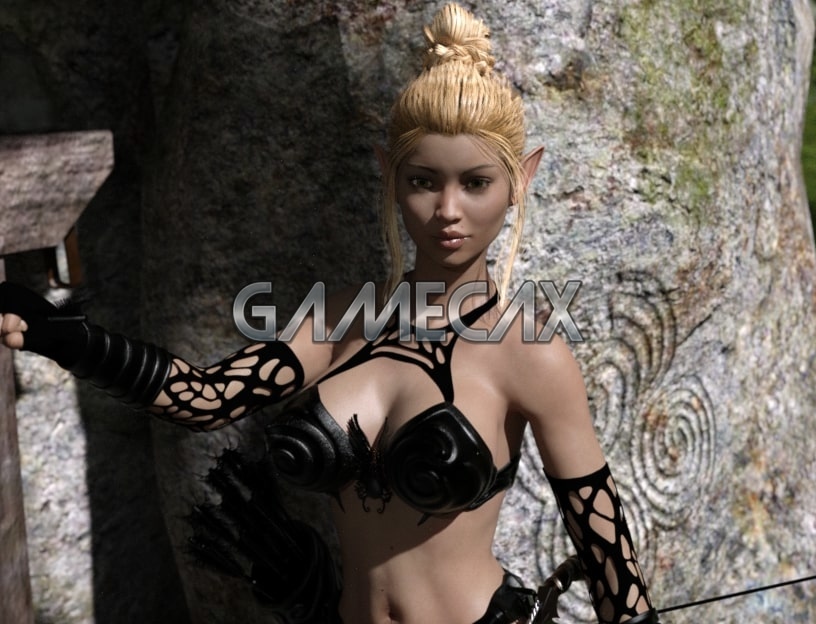
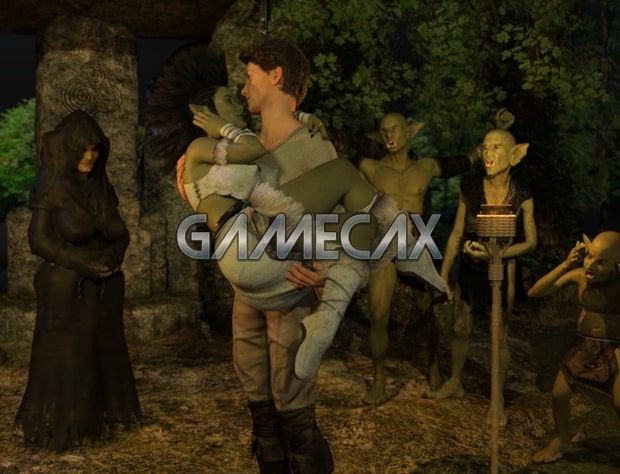
Other Information Game Peasant’s Quest [v4.12] [APK]
FAQ:
Installation:
ChangeLog:
Note:
Video Game Peasant’s Quest [v4.12] [APK]
Link Download Game Peasant’s Quest [v4.12] [APK]
 OS: Windows
 OS: Linux
 OS: Mac
 OS: Android
Comment game Peasant’s Quest [v4.12] [APK]


![Inside The Griffins [v0.1] [APK]](https://i0.wp.com/gamecax.com/wp-content/uploads/2026/10/inside-the-griffins.jpg?resize=128%2C72&quality=95&strip=all&ssl=1)
![The Home of Pleasure [Ep.3 P3 v0.3.3] [APK]](https://i0.wp.com/gamecax.com/wp-content/uploads/2026/10/the-home-of-pleasure.jpg?resize=128%2C24&quality=95&strip=all&ssl=1)
![Jack Hunter [v0.4] [APK]](https://i0.wp.com/gamecax.com/wp-content/uploads/2026/09/jack-hunter-3.jpg?resize=128%2C72&quality=95&strip=all&ssl=1)
![Eclipsis [Ep.3] [APK]](https://i0.wp.com/gamecax.com/wp-content/uploads/2026/10/eclipsis.jpg?resize=128%2C72&quality=95&strip=all&ssl=1)
![Two Heroes and a Burden [v0.2] [APK]](https://i0.wp.com/gamecax.com/wp-content/uploads/2026/06/two-heroes-and-a-burden.jpeg?resize=128%2C72&quality=95&strip=all&ssl=1)
![Firebreak [v0.1b] [APK]](https://i0.wp.com/gamecax.com/wp-content/uploads/2026/10/firebreak-4.jpg?resize=128%2C32&quality=95&strip=all&ssl=1)
![Waifu Academy [v0.13.5] [APK]](https://i0.wp.com/gamecax.com/wp-content/uploads/2024/01/waifu-academy-1-1.jpg?fit=1600%2C400&quality=95&strip=all&ssl=1)