 0
0


Download game 16 Years Later! [Ep.17] [APK]
IMAGE GAME 16 Years Later! [Ep.17] [APK]
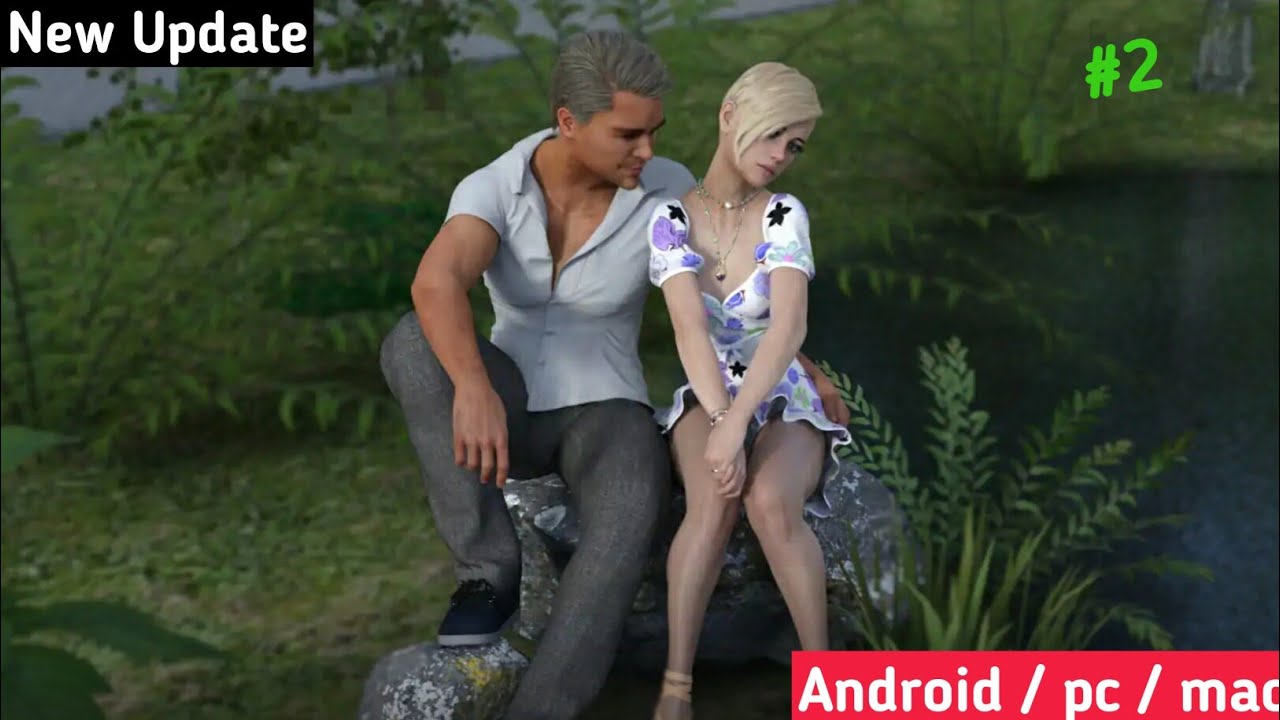
![16 Years Later! [Ep.17] [APK]](https://i0.wp.com/gamecax.com/wp-content/uploads/2021/08/16-years-later.jpg?fit=1920%2C1080&quality=95&strip=all&ssl=1)

Details Game16 Years Later! [Ep.17] [APK]
 Developer: Wetdreamwalker
 Version: Episode 17
 Operating system: Windows, Linux, Mac, Android
 Update date: 07/09/2026
 Tags: Best 3DCG Games, Big ass, big tits, Female Domination, Footjob, Incest, Male domination, Male Protagonist Adult Games, Oral Sex Adult Games, pov, romance, Spanking, Teasing, Vaginal Sex Adult Games, Virgin, Voyeurism Categories: Free Sex Games APK for Android – Best Adult Mobile Games (2026), Free Sex Games for iOS & Mac – Adult Games for iPhone, iPad & macOS, Free Sex Games for Linux – Download Adult Games Ubuntu, Free Sex Games for PC – Download Adult Games for Windows
About Game 16 Years Later! [Ep.17] [APK]
16 Years Later! [Ep.17] [Wetdreamwalker]
16 Years Later is a choice-driven visual novel by WetDreamWalker centered on a man returning home after spending sixteen years in prison and attempting to reconnect with a family whose lives continued without him.
That long absence provides the foundation for the story. The protagonist returns to a household that has changed dramatically, while the people he once knew have developed their own personalities, expectations, and feelings about his return.
Rather than treating the reunion as a simple reset to family life, the game focuses on how the protagonist behaves after coming back. Players can approach situations differently, with the story contrasting kinder responses with stricter or more assertive decisions.
The core narrative structure can be understood as:
Return Home → Rebuild Connection → Make Choice → Shape Protagonist Behavior → Change Relationship Dynamic → Continue Story
This makes player decisions important not only because they affect individual conversations, but because they help define how the protagonist interacts with the household over time.
The game is primarily designed around story progression and character interactions rather than complex mechanical systems. Players who enjoy narrative-focused visual novels will therefore spend most of their time following conversations, making decisions, and observing how relationships develop.
16 Years Later is available for PC and Android. Players looking for similar releases can browse more PC Adult Games and Android Adult Games on GameCax.
16 Years Later Review
Sixteen Years of Separation Creates the Central Conflict
The strongest element of the premise is the amount of time the protagonist has lost.
Sixteen years is long enough for relationships, personalities, expectations, and family roles to change substantially. Returning home therefore does not mean simply continuing the life he had before prison.
Instead, the protagonist has to understand a household that developed without him.
The basic emotional progression becomes:
Past Relationship → Sixteen-Year Separation → Reunion → New Dynamic → Gradual Reconnection
The Prison Sentence Gives the Protagonist a Defined Past
The protagonist does not begin as a completely blank character.
His sixteen-year absence immediately gives him history and creates questions about what happened before the story began, what changed while he was away, and how his return will affect everyone involved.
This provides more narrative motivation than simply placing an unexplained protagonist into a new household.
Returning Home Does Not Restore the Old Family Dynamic
One of the most interesting consequences of the time jump is that the protagonist cannot realistically expect relationships to remain exactly as he remembers them.
The people waiting at home have lived through sixteen years of experiences without him.
This creates a natural relationship structure:
Old Connection → Long Absence → Changed Character → Reunion → New Relationship State
The Story Is Built Around Reconnection
Much of the narrative revolves around rebuilding connections after an unusually long separation.
This gives ordinary conversations additional context because each interaction contributes to the process of understanding how the household has changed.
Player Behavior Helps Define the Returning Protagonist
The game repeatedly gives players control over how the protagonist responds to situations.
Rather than offering only cosmetic dialogue differences, the broader design contrasts different behavioral approaches.
The progression can be represented as:
Situation → Player Response → Protagonist Behavior → Character Reaction → Relationship Development
Kind and Strict Choices Create Different Tones
One of the clearest recurring ideas is the contrast between being kind and being strict.
These choices allow players to influence the protagonist’s personality instead of simply observing a predetermined character.
The Two Approaches Are More Interesting Than a Simple Good-or-Bad System
Kindness and strictness do not necessarily need to be interpreted as conventional morality.
They can instead represent different ways the protagonist responds to conflict, boundaries, disagreements, and family situations.
This makes the choice structure more useful when treated as personality development rather than a simple score.
Consistency Can Define a Playthrough
Players who consistently favor one behavioral approach can create a noticeably different interpretation of the protagonist than someone who regularly chooses the opposite response.
This creates:
Repeated Choice Pattern → Personality Direction → Different Relationship Tone
Mixed Choices Can Create a More Flexible Protagonist
Players do not necessarily need to select the same type of response in every situation.
A mixed approach can make the protagonist react differently depending on the character and context.
Choices Matter Most Through Character Reactions
A narrative decision becomes meaningful when another character responds differently because of it.
16 Years Later benefits when choices influence the tone of later interactions rather than existing only as alternate dialogue lines.
Relationship Progression Is the Main Gameplay Reward
The game does not rely heavily on combat, inventory management, or traditional role-playing systems.
Instead, progression is primarily measured through story advancement and changing character relationships.
The basic gameplay reward becomes:
Conversation → Choice → Reaction → New Relationship Context → New Story Event
The Household Functions as the Narrative Center
Because the protagonist’s return home is the central premise, the household provides a natural hub for much of the story.
Repeated interactions in familiar environments allow the game to emphasize changing relationships rather than constant location discovery.
Character Development Benefits From Repeated Interaction
Relationship-focused visual novels work best when characters are given enough time to change gradually.
The episodic structure of 16 Years Later allows relationships to develop across many interactions instead of resolving major emotional conflicts immediately.
The Long Absence Gives Every Reunion Additional Context
Even relatively ordinary interactions can carry additional meaning because the protagonist missed such a large portion of the other characters’ lives.
The player is effectively learning about those missing years at the same time the protagonist is adjusting to his return.
The Story Can Reveal the Past Gradually
A sixteen-year gap naturally creates unanswered questions.
Instead of explaining everything immediately, the narrative can reveal how people changed and what happened during the protagonist’s absence through later conversations.
The Episodic Format Supports Gradual Relationship Development
Dividing the narrative into episodes gives the game clear story milestones while allowing ongoing relationships to evolve over a longer period.
This structure is particularly appropriate for a story centered on rebuilding connections.
Each Episode Can Function as a Progression Checkpoint
For players, episodes also provide a convenient way to understand where they are in the overall narrative.
A walkthrough can therefore use:
Episode → Major Event → Important Choice → Relationship Effect → Next Event
Important Choices Should Be Tracked Separately
A purely chronological walkthrough can explain what happens next, but players searching for a particular outcome usually need more information about specific decisions.
A stronger guide should identify:
Choice → Character Affected → Immediate Reaction → Later Relationship Effect
The Game Benefits From Multiple Manual Saves
Choice-driven visual novels are easier to explore when players maintain several save points around important decisions.
A practical structure is:
Before Important Choice → Make Decision → Continue Route → Return if Needed
Separate Saves Make Personality Experimentation Easier
Players interested in comparing different approaches can preserve one save before a major decision and test alternative responses without replaying the entire story.
A Walkthrough Should Not Simply Label One Choice Correct
Because personality is part of the appeal, a useful guide should explain consequences rather than reduce every decision to a single recommended answer.
The better structure is:
Option A → Effect
Option B → Effect
Players can then decide which result fits the playthrough they want.
A Choice Database Would Be More Useful Than a Linear Answer List
As the story grows, remembering every previous decision becomes increasingly difficult.
A searchable choice database could organize decisions by episode and affected relationship.
Use:
Episode → Choice → Character → Relationship Effect → Later Consequence
Reverse Lookup Would Help Players Seeking a Specific Outcome
Some players know the relationship result they want but do not know which earlier decisions produce it.
A guide could therefore work backward:
Desired Outcome → Required Relationship State → Important Previous Choices
The Story’s Simplicity Can Be a Strength
16 Years Later does not need complicated mechanics to support its premise.
The central appeal comes from conversations, choices, changing relationships, and discovering how the protagonist’s return affects the household.
The Main Risk Is Repetition
A character-focused game with relatively straightforward mechanics depends heavily on dialogue and relationship development to maintain momentum.
If consecutive events do not meaningfully change the characters or story, the simple structure can become repetitive.
Choice Consequences Help Prevent That Repetition
Allowing decisions to change the tone of later interactions gives repeated conversations a stronger purpose.
Players are not only reading another scene but also observing how earlier behavior influences the current relationship.
3D Rendering Gives the Game a Consistent Visual Identity
The game uses a 3D-rendered presentation that keeps the focus on characters and their interactions.
This approach suits a visual novel where most important developments occur through conversations and relationship-focused scenes.
The Presentation Prioritizes Characters Over Complex Environments
Because relationships are the primary attraction, detailed character presentation matters more than large interactive environments.
The visual direction supports that focus by keeping characters central during major story moments.
Animations Add Emphasis to Important Events
Animated sequences provide additional variety between longer sections of dialogue and help major events feel more distinct from ordinary conversations.
The Main Gameplay Challenge Is Understanding Consequences
16 Years Later is not mechanically difficult.
The real challenge for completion-focused players is determining which decisions influence later interactions.
The player-facing problem becomes:
What Outcome Do I Want? → Which Choice Affects It? → What Relationship State Does It Create?
This Creates Strong Walkthrough Potential
A game with repeated choices and long-term relationship progression naturally generates questions about alternative outcomes.
Instead of only documenting story order, a comprehensive guide should map those relationships between decisions and later events.
Episode Navigation Should Remain the Walkthrough Backbone
Episodes provide the easiest top-level organization:
Episode → Event → Choice → Effect
Within each episode, character-specific links can provide a second navigation layer.
Character Routes Should Be Searchable Independently
A player interested in one particular relationship should not need to reread the entire walkthrough.
The guide should support:
Character → Relevant Episodes → Important Choices → Relationship Outcomes
Choice Consequences Provide the Highest Information Value
The most useful external guide is one that answers not only what to select but why that selection matters.
The ideal structure is:
Choice → Immediate Effect → Relationship Change → Later Consequence
Pros
- Simple but effective return-home premise.
- Sixteen-year separation creates immediate narrative tension.
- Strong focus on character relationships.
- Player behavior influences the protagonist’s personality.
- Kind and strict approaches provide different role-playing tones.
- Episodic structure makes story progression easy to follow.
- Choice-driven design encourages alternative playthroughs.
- 3D-rendered presentation keeps characters visually prominent.
- Multiple saves make alternative decisions easy to explore.
- Strong potential for choice and consequence-based walkthrough content.
Cons
- Gameplay is heavily dependent on dialogue and story progression.
- Players looking for complex mechanical systems may find the structure simple.
- Long-term consequences can make individual choices difficult to evaluate immediately.
- Relationship-focused progression can become repetitive if consecutive events do not introduce meaningful changes.
- Exploring alternative outcomes may require maintaining several save files.
Final Verdict
16 Years Later builds its identity around a straightforward but effective idea: a man returns after losing sixteen years of his life and discovers that returning home does not mean returning to the relationships he remembers.
The long separation gives the story an immediate source of conflict while allowing the narrative to focus on rebuilding connections and deciding how the protagonist should behave in his changed environment.
The contrast between kind and strict responses provides the main role-playing element. Rather than relying on complicated gameplay systems, the experience asks players to shape the protagonist through repeated decisions and observe how those decisions influence later interactions.
This makes the game particularly suitable for players who prefer character-focused visual novels with straightforward mechanics and gradual relationship development.
It also creates strong potential for a detailed walkthrough. The most useful guide would not simply list the story in chronological order, but map important choices to their immediate effects and later relationship consequences.
| Category | Score |
|---|---|
| Story Premise | 8.6 / 10 |
| Character Development | 8.7 / 10 |
| Player Choice | 8.5 / 10 |
| Relationship Progression | 8.7 / 10 |
| Story Pacing | 8.4 / 10 |
| Visual Presentation | 8.5 / 10 |
| Progression Clarity | 8.8 / 10 |
| Replay Value | 8.5 / 10 |
| Walkthrough / Guide Potential | 8.9 / 10 |
| Overall | 8.6 / 10 |
Explore More About 16 Years Later
How Progression Works in 16 Years Later
16 Years Later is primarily a narrative-driven visual novel where progression comes from following story events, making decisions, and developing relationships over time.
The core progression model is:
Episode → Story Event → Player Choice → Character Reaction → Relationship State → Later Event
Unlike a sandbox built around finding locations or completing complicated objectives, the most important thing to track is what decisions you have already made and how those decisions influence later interactions.
Episodes Provide the Main Progression Structure
The story is organized into episodes, giving players natural checkpoints throughout the protagonist’s return home and the relationships that develop afterward.
This also provides the most practical structure for tracking progress:
Episode → Major Events → Important Choices → Consequences
The Sixteen-Year Absence Shapes Every Relationship
The protagonist returns after spending sixteen years away from home. During that time, the people he knew continued living without him.
As a result, returning home does not automatically restore old relationships.
The underlying narrative structure is:
Past Relationship → Sixteen-Year Separation → Reunion → New Dynamic → Rebuilding Connection
Player Choices Help Define the Protagonist
The protagonist has an established past, but players still influence how he behaves after returning.
Repeated decisions gradually establish the tone of his interactions:
Situation → Response → Character Reaction → Relationship Tone → Future Interaction
Kind Choices Represent One Behavioral Direction
Choosing kinder responses generally creates a more patient and understanding interpretation of the protagonist.
These decisions are most useful when viewed as part of a continuing personality pattern rather than isolated dialogue options.
Strict Choices Create a Different Personality Tone
Strict responses allow players to approach situations more firmly.
Repeatedly selecting this type of response can create a noticeably different tone across the protagonist’s relationships.
Kind and Strict Should Not Be Treated as Simple Good and Bad
The two approaches are better understood as different ways of handling situations.
A strict response is not automatically the wrong choice, just as a kind response does not necessarily represent the only useful outcome.
The important question is:
What kind of protagonist do you want to create?
You Do Not Necessarily Need to Follow Only One Personality
Players can respond differently depending on the situation rather than selecting the same type of choice every time.
This allows a more flexible playthrough where the protagonist’s behavior depends on context.
Consistency Still Matters When Testing Different Paths
If you want to understand how the two behavioral directions differ, maintaining separate saves and making consistent choices provides the clearest comparison.
For example:
Save A → Mostly Kind Decisions
Save B → Mostly Strict Decisions
Choices Can Affect More Than the Current Conversation
The most important decisions are those whose effects continue beyond the scene where they were selected.
A useful consequence model is:
Choice → Immediate Reaction → Relationship Change → Later Interaction
Not Every Consequence Needs to Be Immediate
A decision may appear relatively minor when it is made but become more important when the affected relationship develops later.
This is why players should avoid judging every option solely by its immediate dialogue response.
Relationship States Accumulate Across the Story
Long-term relationship progression can be viewed as the combined result of earlier interactions.
The broader model becomes:
Choice A + Choice B + Choice C → Relationship State → Later Story Context
The Last Important Choice Is the Best Troubleshooting Starting Point
If an interaction develops differently than expected, identify the last major decision involving that relationship.
Then trace the progression forward:
Previous Choice → Character Reaction → Relationship State → Current Event
Reverse Lookup Can Explain Unexpected Outcomes
Players often know the outcome they wanted but not which earlier decision prevented it.
A useful reverse lookup is:
Unexpected Outcome → Character → Current Relationship State → Previous Important Choices
Different Relationships Should Be Tracked Independently
A choice involving one character should not automatically be treated as a universal personality decision affecting every other relationship in exactly the same way.
For guide purposes, each major relationship should have its own progression history.
Character-Specific Choice Tracking Is More Useful
Instead of maintaining only one global list of choices, a comprehensive guide should support:
Character → Episode → Choice → Effect → Later Consequence
The Same Episode Can Affect Several Relationships
An episode may contain decisions involving multiple characters.
This means episode navigation and character navigation should work together rather than replacing each other.
Episode Navigation Answers “Where Am I?”
Players progressing normally through the story can use episodes to find the section matching their current position.
The structure should be:
Episode → Event → Choice → Result
Character Navigation Answers “Which Relationship Am I Following?”
Players interested in one specific relationship should be able to ignore unrelated events and view only decisions relevant to that character.
Use:
Character → Relevant Episodes → Important Choices → Relationship Effects
Choice Navigation Answers “What Does This Decision Change?”
Players who are currently looking at a decision need a direct comparison of its consequences.
The ideal structure is:
Choice A → Immediate Effect → Later Effect
Choice B → Immediate Effect → Later Effect
Outcome Navigation Answers “How Do I Reach This Result?”
Completion-focused players may already know which relationship state or story outcome they want.
For them, the guide should work backward:
Desired Outcome → Required Relationship State → Key Previous Choices
Multiple Saves Are the Safest Way to Explore Choices
Players interested in alternative outcomes should create manual saves before decisions that appear important.
A simple strategy is:
Before Choice → Manual Save → Select Option → Continue Story
Use Descriptive Save Slots
If you maintain several routes, organize saves around episodes and major decisions whenever possible.
For example:
Episode Checkpoint → Before Important Choice → After Choice
A Separate Kind Playthrough Can Reveal Behavioral Differences
Maintaining one save focused primarily on kind responses makes it easier to see how consistently taking that approach changes the overall tone of the protagonist.
A Separate Strict Playthrough Provides the Opposite Comparison
A second save using primarily strict responses can reveal how the same situations develop when the protagonist behaves more firmly.
A Mixed Playthrough Can Be More Character-Specific
Players who are less interested in comparing personality paths can simply select whichever response best fits each situation.
This approach emphasizes individual relationships rather than maintaining one consistent behavioral style.
A Walkthrough Should Explain Consequences, Not Choose for the Player
Because the central mechanic is decision-making, a guide becomes less useful when it simply labels one answer as correct.
A stronger walkthrough explains what each option changes and allows players to choose their preferred result.
The Best Choice Guide Uses Neutral Descriptions
Instead of:
Choose Option A because it is the best choice.
A useful guide should explain:
Option A → Result A
Option B → Result B
Delayed Consequences Should Be Clearly Marked
If a choice changes something several events later, the walkthrough should distinguish that delayed effect from its immediate reaction.
Use:
Choice → Immediate Effect → Delayed Effect → Related Episode
A Relationship Map Can Connect Choices Across Episodes
Once the same character appears throughout several episodes, a simple chronological list becomes difficult to use.
A relationship map can instead show:
First Important Choice → Relationship Change → Later Choice → New State → Later Event
A Choice Database Would Provide Strong Long-Term Value
Each important decision can be stored with several searchable fields:
- Episode
- Character
- Choice
- Immediate reaction
- Relationship effect
- Later consequence
Reverse Outcome Search Is Even More Useful
Once those relationships are mapped, players can search from the opposite direction:
Desired Outcome → Character → Required Previous Decisions
The Story Is Best Approached as a Relationship Network
Although episodes provide chronological progression, the underlying structure is a network of character states influenced by earlier decisions.
The complete model is:
Episode → Event → Choice → Character Reaction → Relationship State → Later Event → New Choice
Understanding That Structure Makes Replays More Efficient
Instead of replaying everything and randomly selecting different answers, players can return to the specific decision that affects the outcome they want to change.
Image Game 16 Years Later! [Ep.17] [APK]




Other Information Game 16 Years Later! [Ep.17] [APK]
FAQ:
Installation:
ChangeLog:
Note:
Video Game 16 Years Later! [Ep.17] [APK]
Link Download Game 16 Years Later! [Ep.17] [APK]
 OS: Windows
 OS: IOS
 OS: Android
 OS: Linux
Comment game 16 Years Later! [Ep.17] [APK]


![Inside The Griffins [v0.1] [APK]](https://i0.wp.com/gamecax.com/wp-content/uploads/2026/10/inside-the-griffins.jpg?resize=128%2C72&quality=95&strip=all&ssl=1)
![The Home of Pleasure [Ep.3 P3 v0.3.3] [APK]](https://i0.wp.com/gamecax.com/wp-content/uploads/2026/10/the-home-of-pleasure.jpg?resize=128%2C24&quality=95&strip=all&ssl=1)
![Jack Hunter [v0.4] [APK]](https://i0.wp.com/gamecax.com/wp-content/uploads/2026/09/jack-hunter-3.jpg?resize=128%2C72&quality=95&strip=all&ssl=1)
![Eclipsis [Ep.3] [APK]](https://i0.wp.com/gamecax.com/wp-content/uploads/2026/10/eclipsis.jpg?resize=128%2C72&quality=95&strip=all&ssl=1)
![Two Heroes and a Burden [v0.2] [APK]](https://i0.wp.com/gamecax.com/wp-content/uploads/2026/06/two-heroes-and-a-burden.jpeg?resize=128%2C72&quality=95&strip=all&ssl=1)
![Firebreak [v0.1b] [APK]](https://i0.wp.com/gamecax.com/wp-content/uploads/2026/10/firebreak-4.jpg?resize=128%2C32&quality=95&strip=all&ssl=1)
![Waifu Academy [v0.13.5] [APK]](https://i0.wp.com/gamecax.com/wp-content/uploads/2024/01/waifu-academy-1-1.jpg?fit=1600%2C400&quality=95&strip=all&ssl=1)