 0
0


Download game Sorcerer [v1.0] [APK]
IMAGE GAME Sorcerer [v1.0] [APK]
![Sorcerer [v1.0] [APK]](https://i0.wp.com/gamecax.com/wp-content/uploads/2020/08/sorcerer.jpg?fit=1920%2C480&quality=95&strip=all&ssl=1)

Details GameSorcerer [v1.0] [APK]
 Developer: Talothral
 Version: v1.0
 Operating system: Windows, Linux, Mac, Android
 Update date: 30/03/2026
 Tags: Best 3DCG Games, Big ass, Creampie, Exhibitionism, Fantasy, Graphic violence, Handjob, Harem, Interracial, Lesbian Adult Games, Male Protagonist Adult Games, MILF Adult Games, Monster girl, Oral Sex Adult Games, Pregnancy Adult Games, Stripping, Supernatural, Vaginal Sex Adult Games, Violence, Visual Novel Categories: Final Completed Adult Games Download, Free Sex Games APK for Android – Best Adult Mobile Games (2026), Free Sex Games for iOS & Mac – Adult Games for iPhone, iPad & macOS, Free Sex Games for Linux – Download Adult Games Ubuntu, Free Sex Games for PC – Download Adult Games for Windows
About Game Sorcerer [v1.0] [APK]
Sorcerer [v1.0] [Talothral]
Sorcerer is a completed urban fantasy visual novel developed by Talothral. The story follows Alexander Ward as he discovers that the apparently ordinary modern world around him hides magic, supernatural beings, secret organizations, powerful factions, and rules that most people never realize exist.
Instead of placing the story in a separate medieval fantasy world, Sorcerer combines modern society with an established magical society operating largely out of public view. Alexander must learn how this hidden world works while becoming increasingly involved with the people and conflicts inside it.
The game is particularly story-focused. Talothral’s visual novels rely heavily on dialogue while much of the narration is communicated through the rendered scenes themselves rather than long blocks of internal monologue.
Player choices also matter across the larger story. Decisions can affect character relationships, whether particular story threads remain open, what later scenes become available, and how different characters are represented in the concluding material.
Sorcerer is especially relevant now because its setting continues directly into Sorcerer 2: Shattered Seals. Characters, organizations, supernatural rules, and earlier decisions from the first game form much of the historical foundation for the sequel.
The game uses Ren’Py with extensive Daz Studio renders. Official developer releases support Windows/Linux and Mac desktop systems. Browse more Windows Adult Games available on GameCax.
Sorcerer Review
Alexander Ward Discovers the Hidden Supernatural World
The central entity in Sorcerer is Alexander Ward. His story begins with the realization that the world is far more complicated than ordinary life suggests.
As Alexander becomes involved with supernatural events, the story gradually exposes the people, organizations, powers, and rules operating behind the visible modern world.
The basic narrative graph is:
Alexander Ward → Supernatural Discovery → Magical Society → Factions → Conflict → Choices → Consequences
Sorcerer Uses Urban Fantasy Rather Than Traditional Fantasy
The setting is one of the game’s strongest distinguishing features. Sorcerer places magic inside a modern environment rather than transporting Alexander into a completely separate fantasy kingdom.
Modern technology, ordinary businesses, weapons, security organizations, cities, and everyday social structures continue to exist alongside supernatural forces.
The Magical World Is Hiding in Plain Sight
One of the most important setting rules is that magical society exists alongside ordinary human society while attempting to preserve secrecy.
This means supernatural characters cannot always solve every problem openly with magic. Witnesses, electronic devices, public locations, and the consequences of exposing supernatural activity all matter.
Secrecy Creates Practical Limits on Magic
Alexander may possess considerable magical power, but context determines when openly using that power is appropriate.
The world therefore operates through a useful rule:
Threat → Environment → Witnesses → Secrecy Risk → Magical or Conventional Response
This gives the urban-fantasy setting more structure than a world where powerful characters can use supernatural abilities publicly without consequences.
The Great Houses Are Part of the Magical Power Structure
The supernatural world contains larger political and social structures rather than functioning as a collection of unrelated monsters and spellcasters.
The Great Houses are part of that hidden power system and help establish that magical society has its own rules, influence, and internal politics.
The Association Is Another Important Organization
The Association is another recurring organization connected to the larger supernatural network.
Together with the Great Houses and other groups, it gives the story an organizational graph:
Supernatural Society → Organization / House → Character → Allegiance → Conflict
Alexander’s Work Connects the Ordinary and Supernatural Worlds
Alexander’s professional life provides another bridge between modern society and supernatural conflict. His work can connect him with people and organizations that later become relevant to larger events.
This allows ordinary-looking assignments and relationships to serve as natural entry points into more complicated supernatural situations.
Modern Weapons and Magic Can Exist Together
Sorcerer does not treat firearms and magic as mutually exclusive systems. The correct response depends on what Alexander is facing and whether openly revealing supernatural abilities would create additional problems.
This creates a distinctive urban-fantasy contrast between conventional security methods and supernatural power.
The Story Draws from Existing Mythology
Talothral has described the broader Shattered Seals setting as being grounded in supernatural ideas that remain reasonably plausible within existing mythology.
The lore is not intended as a completely unrestricted fantasy system where any creature or concept can be added without considering whether it fits the setting.
Supernatural Groups Are Not Morally Uniform
Sorcerer repeatedly avoids reducing supernatural species or factions to simple good-versus-evil categories.
Characters may warn Alexander that a particular group cannot be trusted, but those statements reflect what the speaker knows and believes rather than automatically functioning as objective truth.
Character Knowledge Is Not the Same as Absolute Truth
This is one of the strongest narrative principles in the setting:
Character Knowledge → Personal Belief → Advice / Warning → Player Judgment
A character can sincerely believe something about demons, vampires, magic, or another faction without necessarily having complete information.
Trust Is Therefore an Important Story Theme
Because different characters understand the supernatural world from different perspectives, the player frequently needs to evaluate who should be trusted rather than relying on one universal authority.
This creates more nuanced relationship choices than a simple system where every supernatural group has a predetermined moral label.
Miyuki Is One of the Core Characters
Miyuki is closely associated with Alexander from the beginning of Sorcerer’s development and is part of the game’s established central cast.
Her relationship to Alexander also remains important to the wider franchise because choices involving established characters can continue to matter when the story moves into Sorcerer 2.
Character Relationships Can Affect Later Content
Sorcerer contains numerous character-focused decisions whose effects become visible later rather than immediately.
The useful progression model is:
Character Encounter → Choice → Relationship State → Later Scene → Closing Outcome
Some Story Threads Can Remain Closed
Not every player sees exactly the same late-game material. If an earlier storyline was never opened or a particular relationship condition was not met, the corresponding closing scene may not appear.
This makes a walkthrough more useful when it tracks prerequisites rather than merely listing the next chronological scene.
Late-Game Content Reflects Earlier Decisions
The final portion of Sorcerer contains substantial variation based on decisions accumulated throughout the story.
Some characters can receive additional material only when earlier requirements have been satisfied, while other outcomes depend on decisions made relatively close to the conclusion.
The Epilogue Is a Major Part of the Completed Structure
Sorcerer includes a substantial epilogue designed to show where characters and relationships eventually lead.
This makes the ending architecture more useful than a simple final-scene split:
Earlier Choices → Final Story State → Epilogue Variation → Character Outcome
The Epilogue Increases Replay Value
Players interested in comparing outcomes have a reason to preserve earlier saves because different combinations of decisions can change which closing material becomes available.
The best replay strategy is therefore to maintain saves before major character decisions rather than relying entirely on one continuous save.
Choices Create Many Variations Near the End
Talothral built numerous variations into the later story specifically because of the choices allowed earlier in the game.
This reinforces that Sorcerer should be documented as a branching interactive story rather than a completely kinetic visual novel.
Not Every Choice Produces an Immediate Consequence
Some decisions primarily establish a state that becomes relevant several scenes or story days later.
A strong walkthrough should therefore distinguish:
Immediate Reaction
Relationship State
Later Story Effect
Epilogue Effect
Character Routes Are Better Understood as Story Threads
Sorcerer is not primarily a game about selecting one person and abandoning the rest of the plot. Character relationships remain embedded inside the larger supernatural storyline.
For that reason, the term character thread can often describe progression more accurately than treating every character as an isolated dating route.
The Story Remains More Important Than Relationship Grinding
Talothral’s broader design philosophy emphasizes dialogue-heavy storytelling rather than making character pursuit the sole objective.
This is important for search intent because Sorcerer is better suited to players looking for supernatural narrative and character development than players expecting a repetitive relationship-stat sandbox.
Visual Narration Is Part of the Developer’s Style
Talothral deliberately uses rendered imagery to communicate actions and environmental details that another visual novel might explain through several paragraphs of narration.
This produces a structure where dialogue and visual context work together rather than relying heavily on internal monologue.
Daz Studio Gives the Game Its 3D Presentation
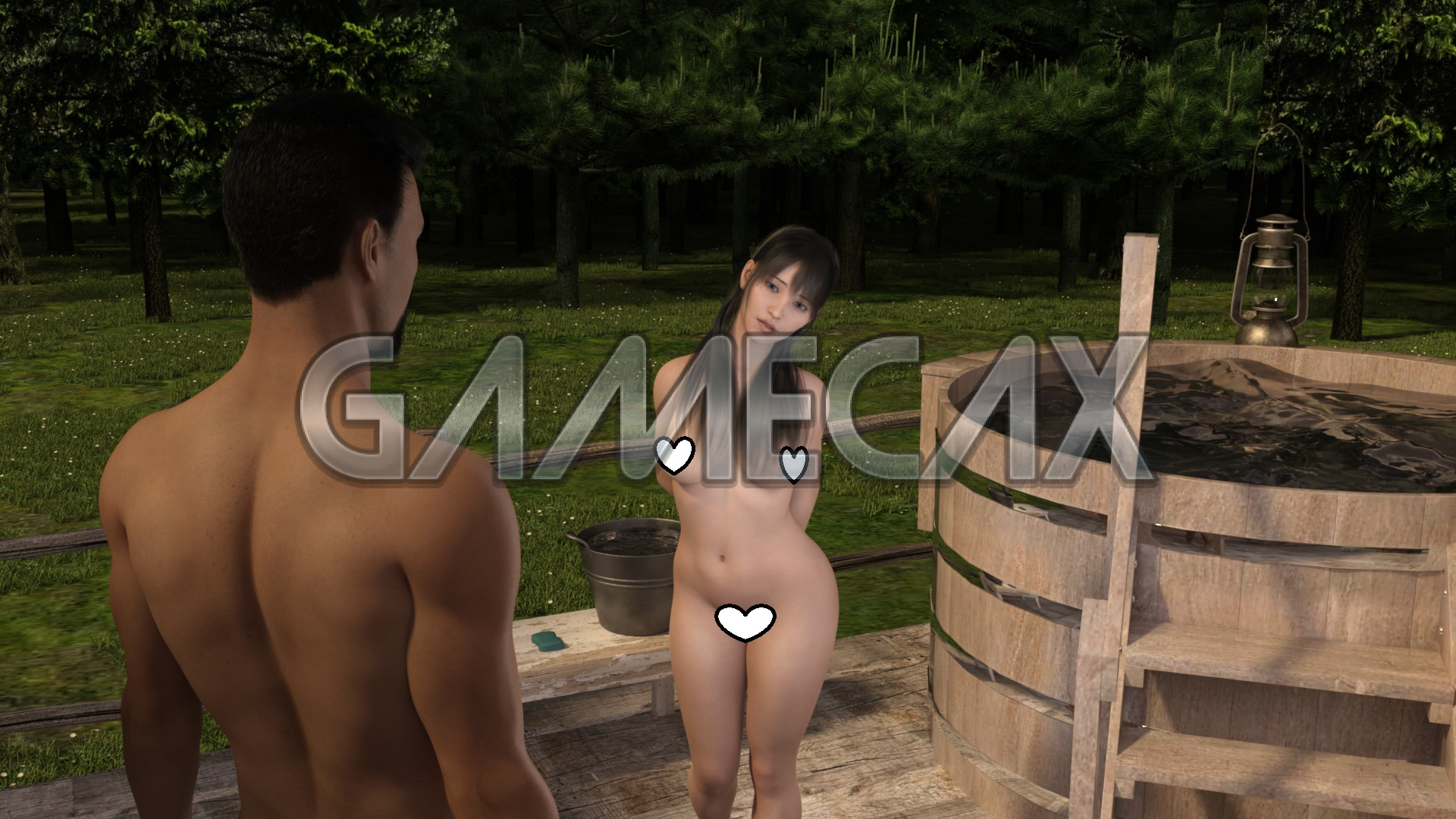
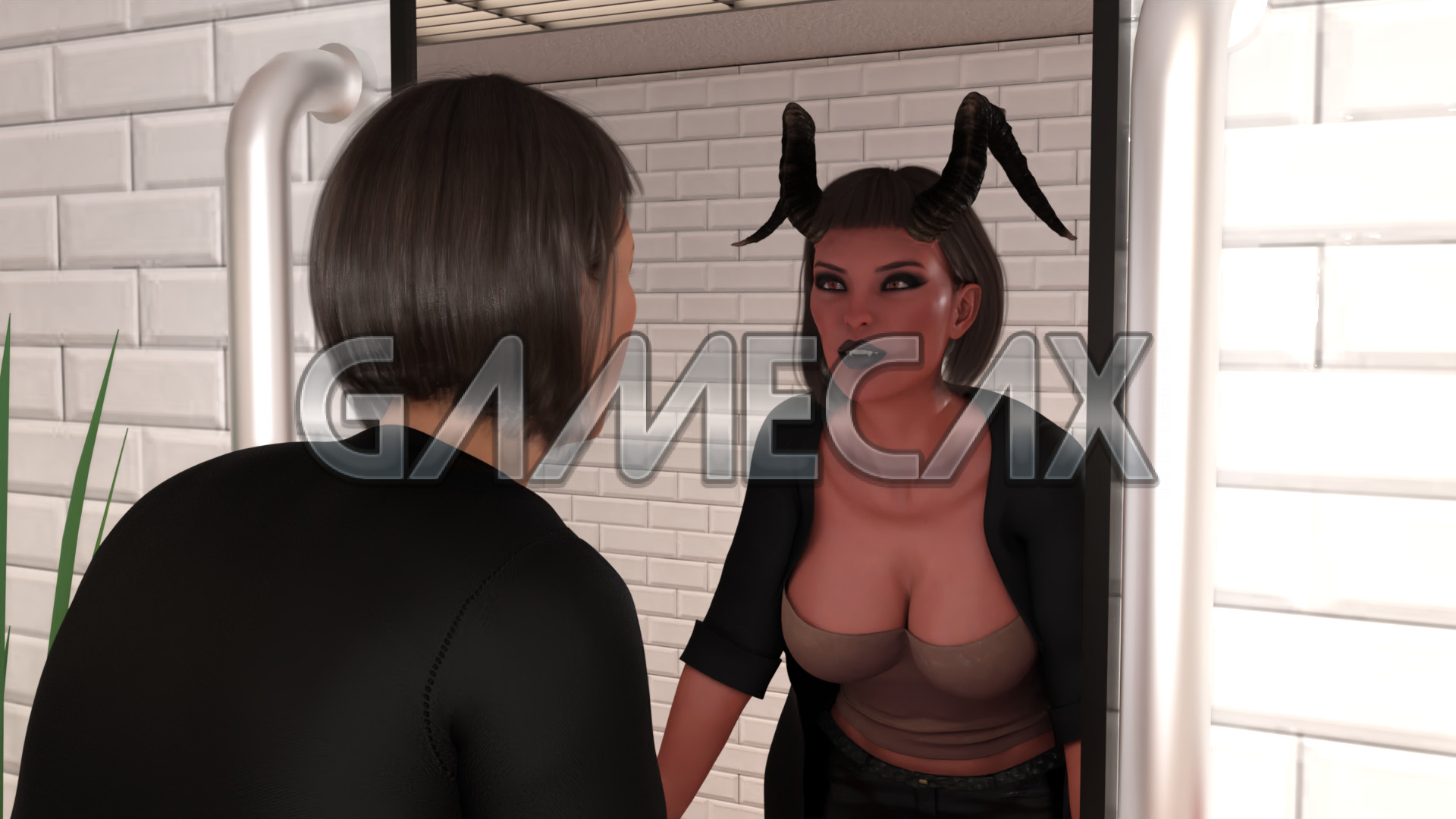
The game’s scenes are created using Daz Studio, giving Sorcerer a rendered 3D visual identity.
Characters, modern locations, magical encounters, and supernatural environments are therefore presented through extensive sequences of rendered scenes.
The Render Count Supports a Visually Driven Story
The completed epilogue alone added a large set of new renders, reinforcing how heavily the game relies on visual storytelling.
This visual density is especially useful in scenes involving supernatural action because the game can show events instead of explaining every movement through text.
Ren’Py Powers the Interactive Structure
Sorcerer uses Ren’Py, the engine Talothral uses for his visual novels.
Ren’Py supports the game’s dialogue choices, variables, branching scenes, saves, and epilogue conditions while allowing the presentation to remain primarily story driven.
The Story Uses a Day-Based Timeline
Progression is organized through story days rather than a freely repeatable sandbox calendar.
This gives walkthroughs a natural chronological structure:
Story Day → Scene → Character → Choice → Later Effect
Story Days Should Be Used for Navigation, Not Evergreen SEO
A walkthrough can organize information by story day without turning every update or day into a permanent game identity.
The main game page should remain focused on the completed Sorcerer entity.
The Completed Status Is Important
Sorcerer has a finished main story and implemented epilogue rather than remaining an indefinitely expanding project.
This means walkthroughs can map choices all the way from the beginning to their final outcomes instead of documenting only temporary route states.
Sorcerer 2 Makes the Original Game More Valuable
The existence of Sorcerer 2: Shattered Seals changes how the original should be treated on GameCax. Sorcerer is now both a completed standalone story and the first major knowledge base for the sequel.
Characters, organizations, supernatural rules, and earlier relationship decisions can all provide context for returning players.
Some Sorcerer Choices Carry Context Into the Sequel
Early Sorcerer 2 material explicitly deals with established characters whose previous relationship states were determined in the first game.
This creates an unusually strong cross-game graph:
Sorcerer Choice → Character State → Sorcerer Ending → Sorcerer 2 Continuity
Returning Characters Make the First Game Worth Recapping
Players who begin with Sorcerer 2 may encounter familiar characters whose history was established here.
A Sorcerer recap can therefore explain which people, organizations, and supernatural concepts matter before moving into the sequel.
Marie Becomes a Confirmed Cross-Game Entity
Marie is particularly useful for franchise SEO because she is established in Sorcerer and later returns in Sorcerer 2 when the story needs a character connected to magical artifacts.
The relationship is:
Sorcerer → Marie → Returning Character → Sorcerer 2
Alexander Remains Central to the Wider Shattered Seals Setting
Alexander’s role does not become irrelevant when the first game ends. His abilities, work, relationships, and position inside magical society remain useful context for understanding the sequel’s world.
That makes him the strongest character entity connecting both games.
Strengths
- Completed story with a substantial epilogue.
- Strong urban-fantasy setting combining modern society and hidden magic.
- Alexander Ward provides a clear central protagonist entity.
- Supernatural factions have political and ideological complexity.
- Character knowledge is intentionally separated from objective truth.
- Choices can affect later scenes and closing outcomes.
- Character threads integrate naturally with the main supernatural plot.
- Many late-game variations reward maintaining multiple saves.
- Visual narration reduces dependence on long internal monologues.
- Daz Studio renders provide extensive 3D presentation.
- Ren’Py supports branching choices and persistent story variables.
- Direct sequel creates unusually strong franchise and internal-link potential.
Weaknesses
- The large supernatural cast can be difficult to remember during a long playthrough.
- Important consequences may appear long after the choice that caused them.
- Some closing scenes require earlier story threads to have been opened.
- Players expecting a free-roaming sandbox may find the authored story-day structure restrictive.
- Dialogue-heavy storytelling may feel slow for players primarily looking for action-oriented gameplay.
- The sequel makes some lore and character details more important than they may initially appear during the first game.
Who Should Play Sorcerer?
Sorcerer is best suited to players who enjoy urban fantasy, supernatural mysteries, dialogue-heavy visual novels, recurring character networks, 3D storytelling, and decisions whose effects can develop across a long narrative.
It is particularly worthwhile for players planning to continue into Sorcerer 2 because the original establishes Alexander, the supernatural setting, major organizations, returning characters, and many of the relationships later referenced by the sequel.
Completion-focused players should also find value in exploring alternative choices and comparing epilogue outcomes rather than treating one playthrough as the only possible story state.
Final Verdict
Sorcerer works because its supernatural elements are embedded inside a functioning modern world. Magic is powerful, but secrecy, witnesses, organizations, politics, and character knowledge place meaningful limits around how that power can be used.
The branching structure also becomes more valuable toward the end. Earlier choices determine which character threads remain active, how specific relationships develop, and which pieces of the epilogue the player eventually sees.
With Sorcerer 2 now continuing the Shattered Seals setting, the original game has become even more useful as a franchise foundation. Alexander, Miyuki, Marie, the Association, the Great Houses, supernatural groups, and earlier relationship states can all become internal-link entities rather than isolated names on a download page.
For GameCax, the strongest long-term strategy is therefore to treat Sorcerer as the first half of a growing knowledge graph: story and choices on the original page, followed by character guides, supernatural lore, ending explanations, and direct continuity into Sorcerer 2.
| Category | Score |
|---|---|
| Story | 9.1 / 10 |
| Characters | 9.0 / 10 |
| Urban Fantasy Worldbuilding | 9.3 / 10 |
| Choices & Consequences | 9.0 / 10 |
| 3D Presentation | 8.8 / 10 |
| Replay Value | 9.0 / 10 |
| Series Continuity | 9.4 / 10 |
| Overall | 9.1 / 10 |
Game Relationships & Explore More
Follow Alexander Ward Through the Shattered Seals Setting
Sorcerer is the first major story centered on Alexander Ward within Talothral’s urban-fantasy setting. The game establishes the supernatural society, recurring characters, organizations, relationship states, and world rules that later become useful context for Sorcerer 2.
The strongest story graph is:
Alexander Ward → Supernatural Society → Characters / Factions → Choices → Relationship States → Epilogue
Understand the Direct Connection to Sorcerer 2
Sorcerer now functions as both a completed standalone story and the narrative foundation for Sorcerer 2: Shattered Seals.
Returning characters and established supernatural concepts create a direct continuity graph:
Sorcerer → Character / Lore State → Sorcerer 2
Players planning to continue into the sequel should therefore pay particular attention to major characters, organizations, and the relationship states established near the end of the first game.
Track Character Threads Instead of Treating Every Character as a Separate Route
Sorcerer is primarily a supernatural story rather than a route-selection simulator. Character relationships develop inside the larger narrative and can affect later scenes without necessarily creating completely isolated storylines.
A useful progression model is:
Character Encounter → Choice → Story Thread → Relationship State → Later Scene → Epilogue Outcome
Use the Great Houses and the Association as Faction Entities
The hidden magical world contains organized power structures rather than a random collection of supernatural characters. The Great Houses and the Association help explain how influence, alliances, responsibilities, and supernatural politics are organized.
A lore guide should connect each faction to the characters and conflicts associated with it.
Remember That Character Knowledge Can Be Incomplete
Sorcerer frequently presents supernatural information through individual characters. A warning about a species, faction, or person reflects what that speaker knows and believes, not necessarily an absolute rule of the setting.
The useful trust graph is:
Character → Knowledge → Belief → Advice → Player Judgment
Preserve Saves Before Important Character Decisions
Some consequences become visible much later than the original choice. Completion-focused players should keep separate saves before important character decisions and late-story branch points.
This is especially useful for comparing closing scenes and epilogue variations.
Continue the Story With Sorcerer 2
After finishing Sorcerer, the strongest related game is its direct sequel, Sorcerer 2: Shattered Seals. The sequel continues the supernatural setting while bringing back established characters and developing new narrative threads.
Browse More PC Visual Novels
Players looking for more desktop visual novels can browse Windows Adult Games available on GameCax.
Image Game Sorcerer [v1.0] [APK]
Other Information Game Sorcerer [v1.0] [APK]
FAQ:
Installation:
ChangeLog:
Note:
Video Game Sorcerer [v1.0] [APK]
There are currently no YouTube videos for this game.
Link Download Game Sorcerer [v1.0] [APK]
 OS: Windows
 OS: IOS
 OS: Android
 OS: Linux
Comment game Sorcerer [v1.0] [APK]


![Waifu Academy [v0.13.5] [APK]](https://i0.wp.com/gamecax.com/wp-content/uploads/2024/01/waifu-academy-1-1.jpg?fit=1600%2C400&quality=95&strip=all&ssl=1)
![The Royals [v0.2] [Master Bunny]](https://i0.wp.com/gamecax.com/wp-content/uploads/2025/06/the-royals-1.jpg?fit=1920%2C1080&quality=95&strip=all&ssl=1)
![Bobby’s Memoirs of Depravity [v0.15.61] [APK]](https://i0.wp.com/gamecax.com/wp-content/uploads/2025/04/3312966_bobby_memoirs_of_depravity-1.jpeg?fit=1280%2C364&quality=95&strip=all&ssl=1)
![Red Sakura Mansion 2 [v2.26.3] [APK]](https://i0.wp.com/gamecax.com/wp-content/uploads/2025/06/red-sakura-mansion-2-1.jpg?fit=1920%2C1080&quality=95&strip=all&ssl=1)