 0
0


Download game Tower of Dreams [Ch. 4 P2] [APK]
IMAGE GAME Tower of Dreams [Ch. 4 P2] [APK]
![Tower of Dreams [Ch. 4 P2] [APK]](https://i0.wp.com/gamecax.com/wp-content/uploads/2024/02/tower-of-dreams-1.jpg?fit=1314%2C593&quality=95&strip=all&ssl=1)

Details GameTower of Dreams [Ch. 4 P2] [APK]
 Developer: FutAphrodite
 Version: Ch. 4 P2
 Operating system: Windows, Mac, Linux, Android
 Update date: 29/08/2026
 Tags: Adventure, Best 3DCG Games, Best Female Protagonist Adult Games, Big ass, big tits, Blackmail, Corruption, Creampie, Exhibitionism, Fantasy, Female Domination, Footjob, Futa/Trans, Futa/trans protagonist, Groping, Handjob, Incest, Lactation, Lesbian Adult Games, Masturbation, MILF Adult Games, Monster girl, Oral Sex Adult Games, Pregnancy Adult Games, Puzzle, romance, Spanking, Teasing, Titfuck, Turn based combat, Vaginal Sex Adult Games, Virgin, Voyeurism Categories: Free Sex Games APK for Android – Best Adult Mobile Games (2026), Free Sex Games for iOS & Mac – Adult Games for iPhone, iPad & macOS, Free Sex Games for Linux – Download Adult Games Ubuntu, Free Sex Games for PC – Download Adult Games for Windows
About Game Tower of Dreams [Ch. 4 P2] [APK]
Tower of Dreams [Ch. 4 P2] [FutAphrodite]
One such individual is Elyn(or whatever name you choose). A woman with only one dream. To help her family that has been driven out of their village for reasons unknown to her. Will she reach the top, or will she give up, never to learn the truth about her family’s past?
Tower of Dreams is a fantasy visual novel developed by FutAphrodite, following a young woman named Elyn on a journey toward a mysterious magical tower hidden deep within the forest. Legends claim that anyone who reaches the witch living at the top can have their wishes and dreams fulfilled, giving Elyn a powerful reason to attempt the dangerous journey.
Elyn’s motivation is more personal than simply seeking power or adventure. Her family has been driven from their village, and she hopes that reaching the top of the tower can give her the opportunity to improve the lives of the people closest to her. As the journey develops, questions surrounding her family, her own abilities, and the larger fantasy world gradually become increasingly important.
Despite the title, Tower of Dreams is not simply a dungeon-climbing game where every chapter represents another floor of the same structure. FutAphrodite uses Elyn’s journey as the foundation for a broader fantasy story involving forests, settlements, magical locations, new companions, mysterious characters, and conflicts encountered along the way.
The game began with a relatively linear structure, but later development expanded the amount of player interaction. Choices can change which version of certain events is shown, later scenes can reference previous decisions, and interactive elements such as puzzles and battles add variety beyond conventional visual-novel dialogue.
Another distinctive mechanic is the Fantasies system. In certain situations where Elyn would normally remain an observer, the player can choose an alternative imagined version that places her in another character’s role. The surrounding story remains understandable while the player gains more control over how selected scenes are presented.
Tower of Dreams is developed with Ren’Py, while its characters and environments are created using detailed 3D Daz3D renders. This combination gives the game the familiar accessibility of a visual novel while allowing FutAphrodite to build a larger fantasy world with custom characters, environments, magic, battles, and cinematic story sequences.
The project remains in active development, so this page focuses on its permanent identity — Elyn, the mysterious tower, fantasy adventure, character relationships, player choices, puzzles, battles, and the Fantasies system — rather than tying evergreen SEO content to a particular chapter or release number.
Players interested in more desktop visual novels can also browse the Windows Adult Games available on GameCax.
Tower of Dreams Review
A Simple Legend Creates a Strong Starting Point
Tower of Dreams begins with an effective fantasy premise. Somewhere deep in the forest stands a magical tower, and according to legend, anyone capable of reaching the witch at its summit can have their dreams fulfilled.
The concept immediately establishes both a destination and a mystery. Players understand where Elyn ultimately wants to go without needing a lengthy explanation of the fantasy world before the journey begins.
Elyn Has a Personal Reason to Reach the Tower
Elyn is not climbing toward the tower simply because the story requires an adventure. Her goal is connected to the circumstances surrounding her family and her desire to provide a better future for the people she cares about.
That motivation makes the tower meaningful before the player even understands what may actually be waiting at the top.
The Family Mystery Adds Another Layer
Questions surrounding Elyn’s family gradually create another reason to continue the journey. Their history is not merely background information, and learning more about what happened to them becomes connected to Elyn’s larger story.
This prevents the plot from depending entirely on the promise of reaching a magical destination.
The World Extends Beyond the Tower
The title can create the impression that the entire game takes place inside one structure, but Tower of Dreams develops a broader fantasy adventure around Elyn’s journey.
Forests, settlements, magical environments, new characters, and other locations allow the story to expand beyond a repetitive sequence of tower floors.
Elyn’s Powers Become Increasingly Important
As the story progresses, Elyn begins learning more about abilities that she does not fully understand. Other characters can help her investigate those powers, creating another progression thread alongside her original objective.
This introduces questions about Elyn herself rather than making every mystery external to the protagonist.
The Cast Expands Naturally Through the Journey
The adventure format gives FutAphrodite a natural way to introduce characters. Instead of placing the entire cast in one location from the beginning, Elyn encounters different personalities as she moves through the world.
Characters such as Olera and Tristy become recognizable parts of the expanding story, while additional major and minor characters provide new interactions without requiring every person to become equally important to the main plot.
Olera Has a Larger Role Than a Background Character
Olera is particularly relevant because FutAphrodite has indicated that she plays an important role in Elyn’s journey and continues appearing beyond her initial involvement.
Characters with recurring narrative functions like this are more useful for building the game’s entity structure than listing every minor person who briefly appears.
Minor Characters Help the World Feel Larger
FutAphrodite introduced the concept of minor characters to expand the world without forcing every new face into the central storyline.
These characters can appear occasionally, and particularly popular ones may return more frequently. It is a practical way to increase variety while keeping the main cast manageable.
The Early Game Was Closer to a Kinetic Novel
One of the most useful things to understand about Tower of Dreams is how its design has evolved. FutAphrodite has acknowledged that earlier chapters contained relatively few meaningful choices and therefore behaved more like a kinetic novel than a strongly branching visual novel.
Rather than ignoring that limitation, later development deliberately began introducing more player control.
Later Choices Have More Meaning
Later chapters allow players to choose between different versions of certain events, and previous decisions can receive callbacks further into the story.
This does not suddenly transform Tower of Dreams into a massive branching sandbox, but it makes the player more involved in determining how individual situations develop.
Choice Consequences Can Appear Later
The use of callbacks is particularly important because it prevents every decision from feeling isolated. FutAphrodite has explained that some consequences may be small while others can have larger implications later.
This creates a good reason to maintain manual saves before important decisions and gives future walkthrough content more value.
Fantasies Are One of the Most Distinctive Mechanics
The Fantasies system is an unusual way of providing additional player control without rewriting the entire surrounding story.
When Elyn would otherwise remain a spectator during certain events, the player can sometimes imagine an alternative version where she takes another character’s place.
Fantasies Preserve the Main Story Context
The clever part of the system is that the larger narrative remains understandable regardless of which presentation the player selects.
FutAphrodite designed these alternative sequences so the underlying story does not disappear simply because Elyn imagines herself in another role.
Puzzles Add Interaction Outside Dialogue
Tower of Dreams also includes puzzles, giving the player something to solve instead of limiting every interaction to dialogue choices.
These sections help support the adventure theme because Elyn’s journey can contain actual obstacles rather than functioning entirely as a sequence of conversations.
Battles Expand the Adventure Structure
Battle sequences provide another interactive element. They are not complex RPG combat systems with extensive statistics and equipment management, but they add variety and reinforce the sense that Elyn is moving through a dangerous fantasy world.
FutAphrodite has also indicated that puzzles and battles are intended to evolve as development continues.
Gameplay Remains Primarily Story-Driven
Despite these additions, Tower of Dreams should still be approached primarily as a visual novel. Choices, puzzles, battles, and Fantasies supplement the narrative rather than replacing it with a sandbox or RPG progression loop.
Players looking for constant mechanical complexity should therefore keep their expectations aligned with the game’s story-first design.
The 3D Presentation Fits the Fantasy World
Tower of Dreams uses Daz3D renders rather than illustrated 2D sprites. This allows FutAphrodite to create characters and environments with a consistent 3D presentation across forests, settlements, interiors, and magical locations.
The fantasy setting also provides more visual variety than a project restricted to a single modern house, school, or city environment.
Images Are Rendered at Full HD Resolution
FutAphrodite has stated that the game’s images are rendered at 1920×1080. This gives the visual presentation enough resolution for detailed character scenes and larger environments while remaining practical for a Ren’Py project containing a substantial number of renders.
Later Chapters Became More Visually Ambitious
Development updates show that FutAphrodite has increased the number and complexity of CGs as the project has progressed. At one stage, an entire chapter was rewritten and scenes were re-rendered because the developer was not satisfied with the original quality.
That decision delayed development but also demonstrates an effort to improve existing storytelling rather than simply releasing unfinished material as quickly as possible.
Character Presentation Has Been Refined
The interface has also received visual improvements, including updated character icons and individual color identities. These are relatively small changes, but they help distinguish members of a growing cast during dialogue.
The Fantasy Setting Provides Visual Variety
A game centered on a journey naturally benefits from changing environments. Different locations allow Tower of Dreams to avoid relying on the same small collection of backgrounds throughout every chapter.
This is particularly useful for a 3D-rendered visual novel where environment variety can significantly influence how repetitive the presentation feels.
Story Quality Has Been Prioritized Over Release Speed
FutAphrodite has openly discussed rewriting substantial material when it did not meet the intended quality. That approach can result in longer gaps between releases, but it also shows that the developer is willing to revisit story structure rather than treating every existing draft as final.
The Trade-Off Is Slow Development
The clearest disadvantage is development speed. Producing and rendering large numbers of 3D scenes while rewriting story material can create substantial gaps between major updates.
Players who prefer frequently updated projects should keep this development pattern in mind.
The Chapter Structure Makes Long-Term Progress Easy to Understand
Organizing the story into chapters provides clear narrative milestones. Players can easily understand where they are in Elyn’s journey without needing complicated route percentages or sandbox completion statistics.
This also gives GameCax an opportunity to create a future walkthrough organized by chapter rather than mixing every event into one continuous list.
A Walkthrough Should Focus on Choices, Puzzles and Battles
A useful Tower of Dreams walkthrough should not simply reproduce the dialogue. The highest-value information is likely to involve meaningful choices, later callbacks, puzzle solutions, battle sections, optional content, and Fantasies.
This would provide substantially more Information Gain than a scene-by-scene summary.
A Choice Guide Could Track Later Callbacks
Because some decisions can be referenced later, a dedicated choice guide could explain both the immediate result and any known future callback.
That structure would help players understand whether a decision is primarily cosmetic or has broader narrative consequences.
The Fantasies System Deserves Dedicated Guide Coverage
Fantasies create another useful informational intent because players may want to know where these alternatives occur and whether selecting them changes the main story.
A guide can answer those questions without forcing the main download page to document every optional sequence.
Strengths
- Clear fantasy-adventure premise centered on a mysterious magical tower.
- Elyn has a personal motivation connected to her family.
- The family mystery adds depth beyond the central tower objective.
- Broader fantasy world prevents the setting from feeling restricted to one location.
- Recurring characters support a growing narrative.
- Later development introduces more meaningful player choices.
- Previous decisions can receive callbacks.
- Fantasies provide an unusual form of optional player-controlled presentation.
- Puzzles and battles add interaction beyond dialogue.
- Full HD Daz3D renders provide a consistent 3D visual style.
- Ren’Py provides accessible saves and visual-novel navigation.
- Developer has shown willingness to rewrite material when dissatisfied with its quality.
Weaknesses
- Earlier content is considerably more linear than later chapters.
- Players expecting extensive branching may find the overall structure relatively controlled.
- Puzzles and battles are supplementary rather than deep standalone gameplay systems.
- The project remains in development.
- 3D rendering and rewriting have contributed to long development periods.
- The expanding cast can make some minor characters less narratively important than others.
- Players looking for sandbox or RPG progression will not find those systems here.
Who Should Play Tower of Dreams?
Tower of Dreams is best suited to players who enjoy story-driven fantasy visual novels, 3D-rendered characters, female protagonists, magical settings, and narrative adventures with occasional interactive elements.
It is particularly suitable for players who prefer a mostly guided story but still appreciate decisions, puzzles, battles, and optional variations. The later chapters provide more player involvement than the relatively linear beginning.
Players looking specifically for an open-world sandbox, stat-heavy RPG, or highly complex branching simulator should approach Tower of Dreams with different expectations. Its main focus remains Elyn’s story and journey.
Final Verdict
Tower of Dreams works best when viewed as an evolving fantasy visual novel rather than judging its entire design by the relatively linear early chapters. FutAphrodite has acknowledged the original kinetic-novel tendencies and deliberately introduced more player interaction as development progressed.
The strongest improvement is not simply adding more choices. Decisions can receive later callbacks, while puzzles, battles, and the Fantasies system provide different forms of interaction without abandoning the story-driven structure.
Elyn also has enough narrative motivation to carry the adventure. Her desire to help her family establishes an understandable goal, while questions about their history and her developing powers give the story room to expand beyond reaching the tower itself.
The 3D fantasy presentation is another strength. Daz3D renders at Full HD resolution allow the project to depict a wider range of environments and characters while maintaining a consistent visual identity.
The main drawback is development pace. Rewriting story material and producing large numbers of 3D renders takes time, and players following the project should expect longer development cycles than smaller visual novels.
For players who enjoy fantasy journeys, female-led stories, 3D visual novels, and increasingly interactive narrative design, Tower of Dreams offers a more distinctive experience than its simple tower-climbing premise initially suggests.
| Category | Score |
|---|---|
| Story & Setting | 8.8 / 10 |
| Characters | 8.6 / 10 |
| 3D Graphics | 8.7 / 10 |
| Choices & Interaction | 8.2 / 10 |
| Fantasy World | 8.8 / 10 |
| Gameplay Variety | 8.3 / 10 |
| Accessibility | 9.0 / 10 |
| Development Pace | 7.1 / 10 |
| Overall | 8.5 / 10 |
Game Relationships & Explore More
Explore Elyn’s Journey
Tower of Dreams is structured around Elyn’s journey through a wider fantasy world rather than a simple sequence of floors inside one tower. Players who want to understand the story more deeply should follow the relationships between Elyn, recurring characters, her developing abilities, and the decisions she makes along the way.
Use a Walkthrough for Choices and Interactive Sections
A Tower of Dreams walkthrough is most useful for tracking meaningful decisions, later callbacks, puzzle solutions, battles, and optional variations. The game does not require a daily schedule guide or resource-management walkthrough because its progression remains primarily narrative.
Track Choice Consequences
Later chapters introduce decisions that can alter which version of an event the player sees. Some of those decisions can also receive callbacks later in the story, making it useful to keep manual saves before major choices.
Explore the Fantasies System
The Fantasies mechanic provides optional alternate versions of selected scenes. When Elyn would otherwise remain an observer, she may imagine herself taking another character’s place while the underlying story context remains understandable.
Explore Characters and Recurring Roles
Characters such as Olera and Tristy have enough recurring importance to justify coverage in a central character guide. Minor characters can also return depending on their role in the story, but GameCax should avoid creating separate thin pages until a character has enough permanent story material.
Explore More PC Visual Novels
Tower of Dreams is officially distributed for desktop platforms. Browse more Windows Adult Games available on GameCax.
Image Game Tower of Dreams [Ch. 4 P2] [APK]


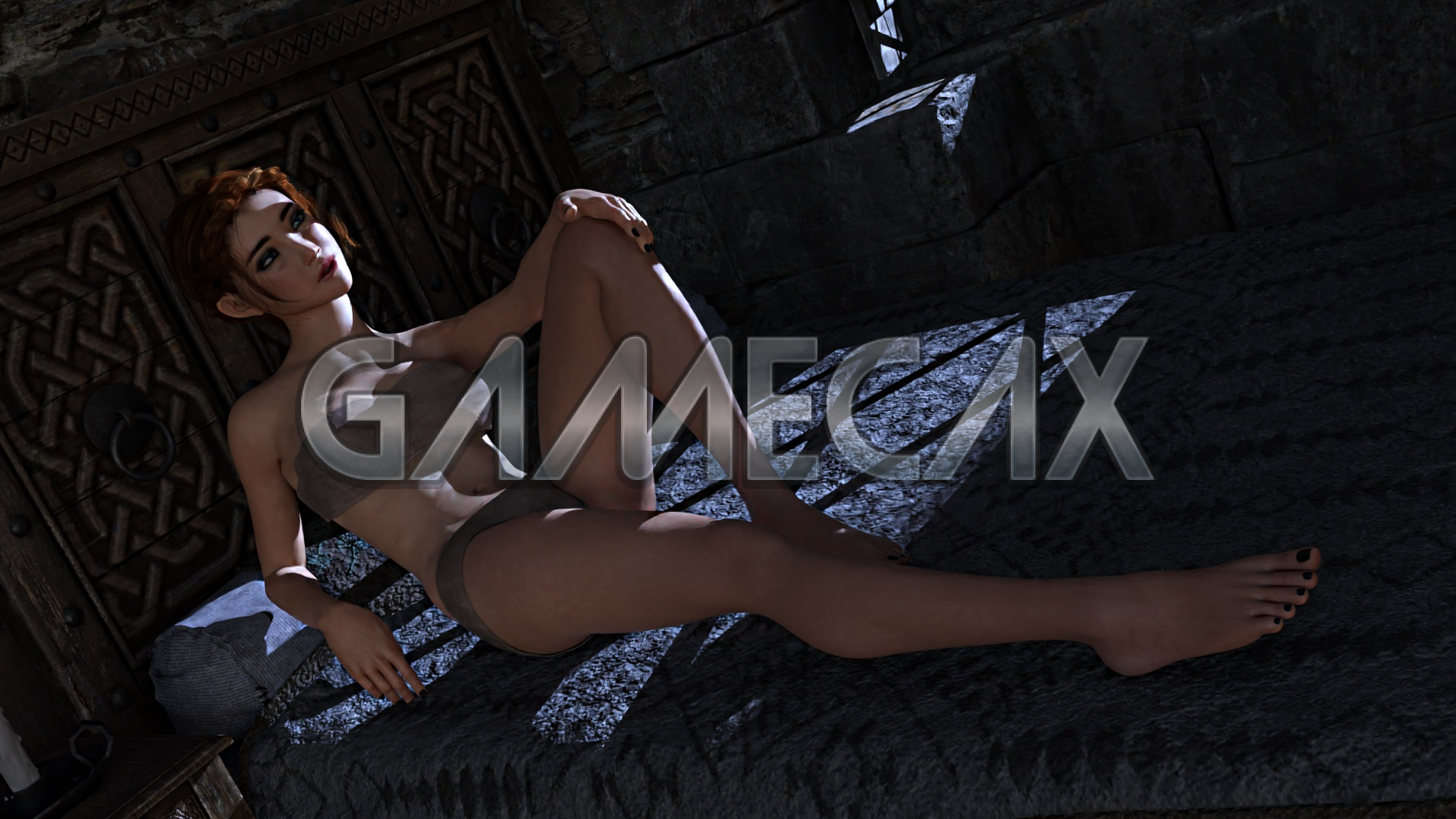
Other Information Game Tower of Dreams [Ch. 4 P2] [APK]
FAQ:
Installation:
ChangeLog:
Note:
Video Game Tower of Dreams [Ch. 4 P2] [APK]
There are currently no YouTube videos for this game.
Link Download Game Tower of Dreams [Ch. 4 P2] [APK]
 OS: Windows
 OS: IOS
 OS: Android
 OS: Linux
Comment game Tower of Dreams [Ch. 4 P2] [APK]


![Waifu Academy [v0.13.5] [APK]](https://i0.wp.com/gamecax.com/wp-content/uploads/2024/01/waifu-academy-1-1.jpg?fit=1600%2C400&quality=95&strip=all&ssl=1)
![The Royals [v0.2] [Master Bunny]](https://i0.wp.com/gamecax.com/wp-content/uploads/2025/06/the-royals-1.jpg?fit=1920%2C1080&quality=95&strip=all&ssl=1)
![Bobby’s Memoirs of Depravity [v0.15.61] [APK]](https://i0.wp.com/gamecax.com/wp-content/uploads/2025/04/3312966_bobby_memoirs_of_depravity-1.jpeg?fit=1280%2C364&quality=95&strip=all&ssl=1)
![Red Sakura Mansion 2 [v2.26.3] [APK]](https://i0.wp.com/gamecax.com/wp-content/uploads/2025/06/red-sakura-mansion-2-1.jpg?fit=1920%2C1080&quality=95&strip=all&ssl=1)